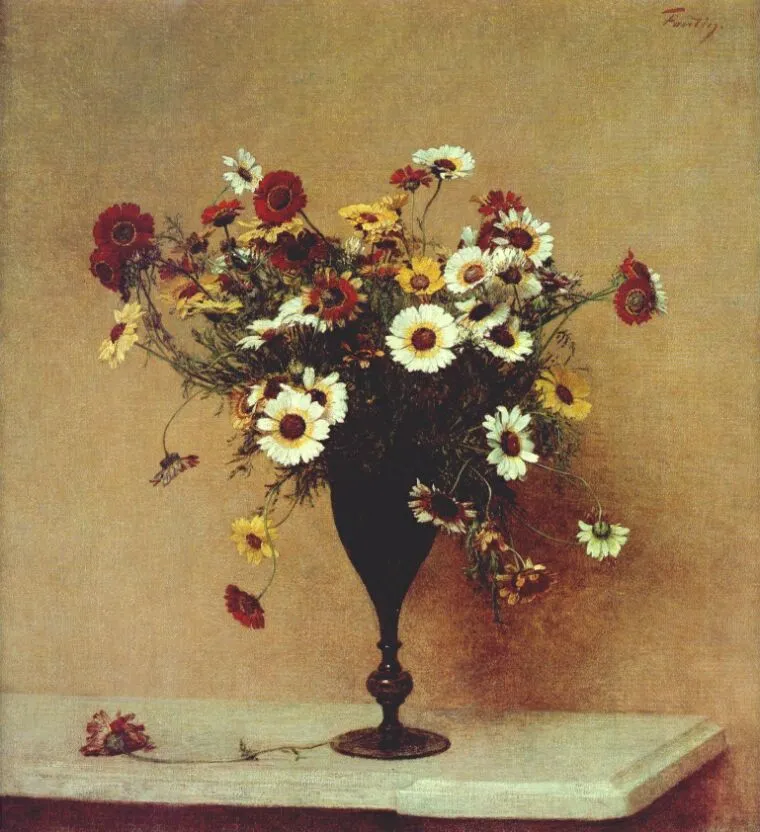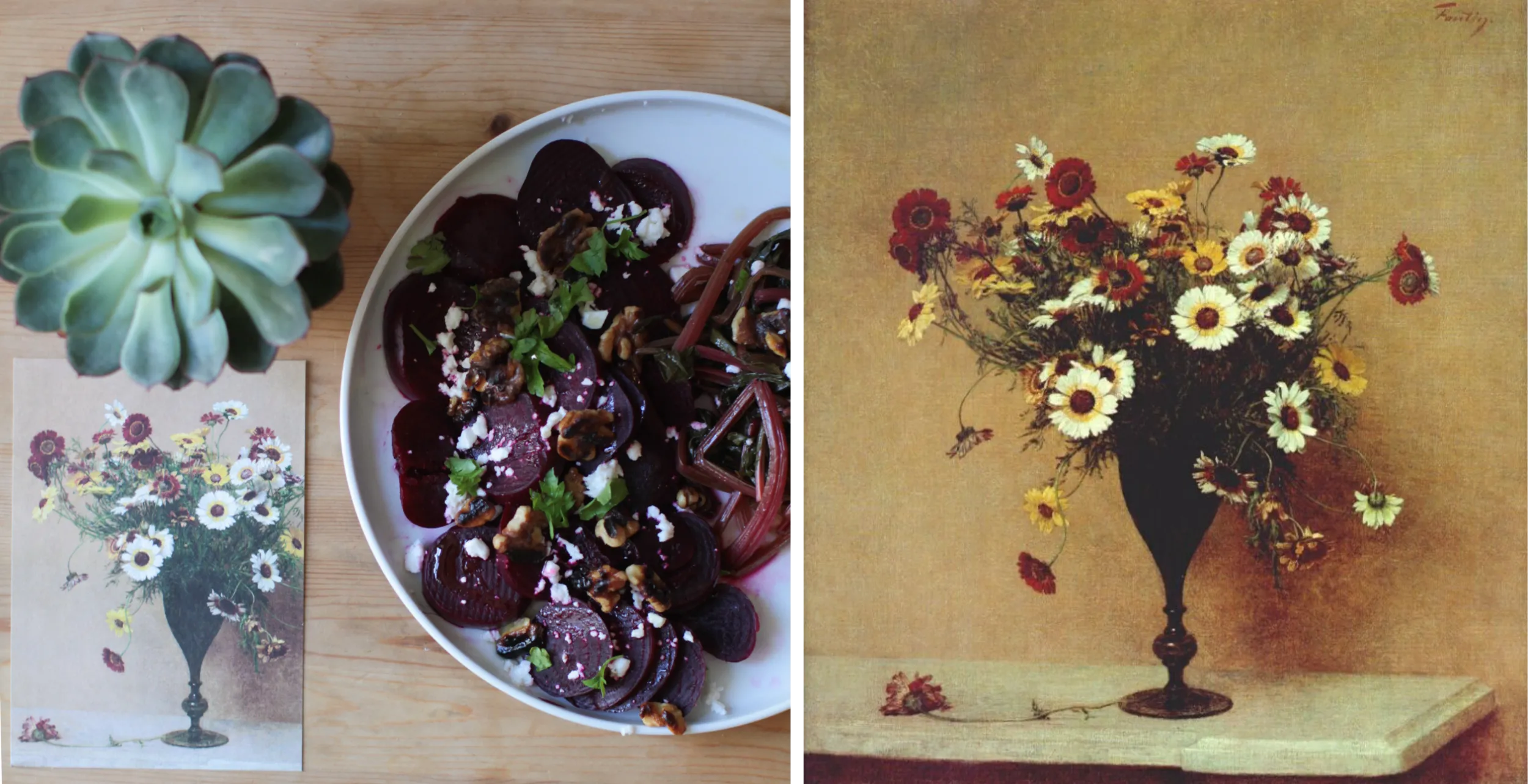
Henri Fantin-Latour (1836-1904) was a French painter and lithographer most known for his paintings of flowers. As someone always in favor of intersecting differing media and sources of inspiration, I admire him also for having created lithographs inspired by the music of classical composers. Marcel Proust mentions Fantin-Latour in In Search of Lost Time:
*” ‘Many young women’s hands would be incapable of doing what I see there,’ said the Prince, pointing to Mme de Villeparisis’s unfinished watercolours. And he has asked her whether she had seen the flower painting by Fantin-Latour which had recently been exhibited.” *(The Guermantes Way)
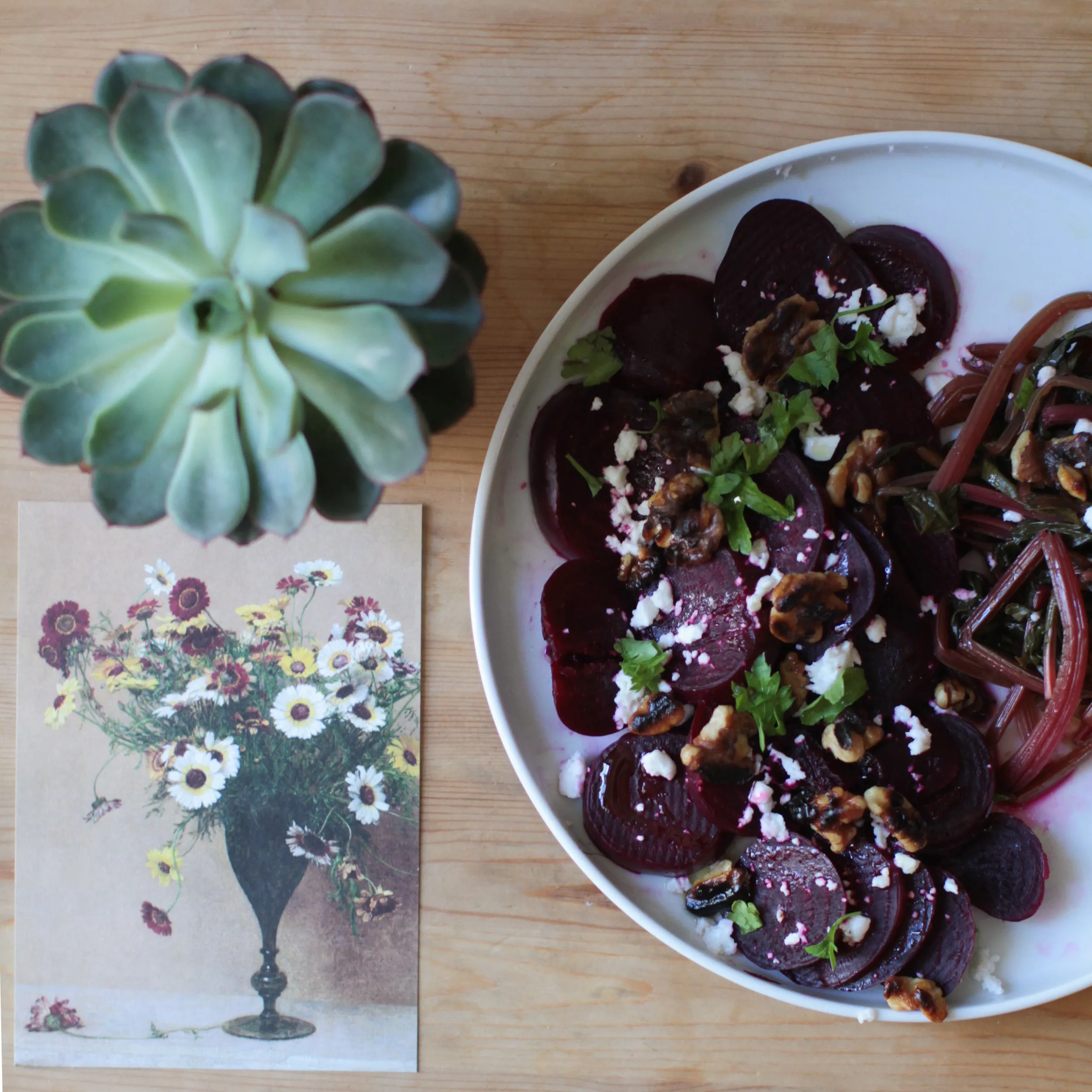
The particular bouquet in this painting—on a marble surface of pleasant luminosity—reminds me of a style in floral design re-emerging today. Floral design shops like Fox Fodder Farm in Manhattan and Saffron in Fort Greene are infusing bouquets with an artful aesthetic of negative space—allowing air between stems and freedom for the spindly and the singular. Rather than cramming a vase full of color and texture, their aerated designs are confident, balanced, and able to converse with the spaces around them, creating a conversation between flower and air.
This painting inspired the making of a most simple and wonderful dish: boiled beets. A staple in Greek cuisine, the hearty beet grows underground and is therefore a reliable vegetable in harder times. The boiled beet bursts with sweet flavor, which savory toasted nuts and a creamy goat cheese complement beautifully. Its nutritious greens also carry the flavor, and are a nice complement in texture to eat alongside the bulbs. Not to mention, the health benefits of the beet are many. Even without any toppings, they are wonderful simply with olive oil and vinegar.
Ingredients
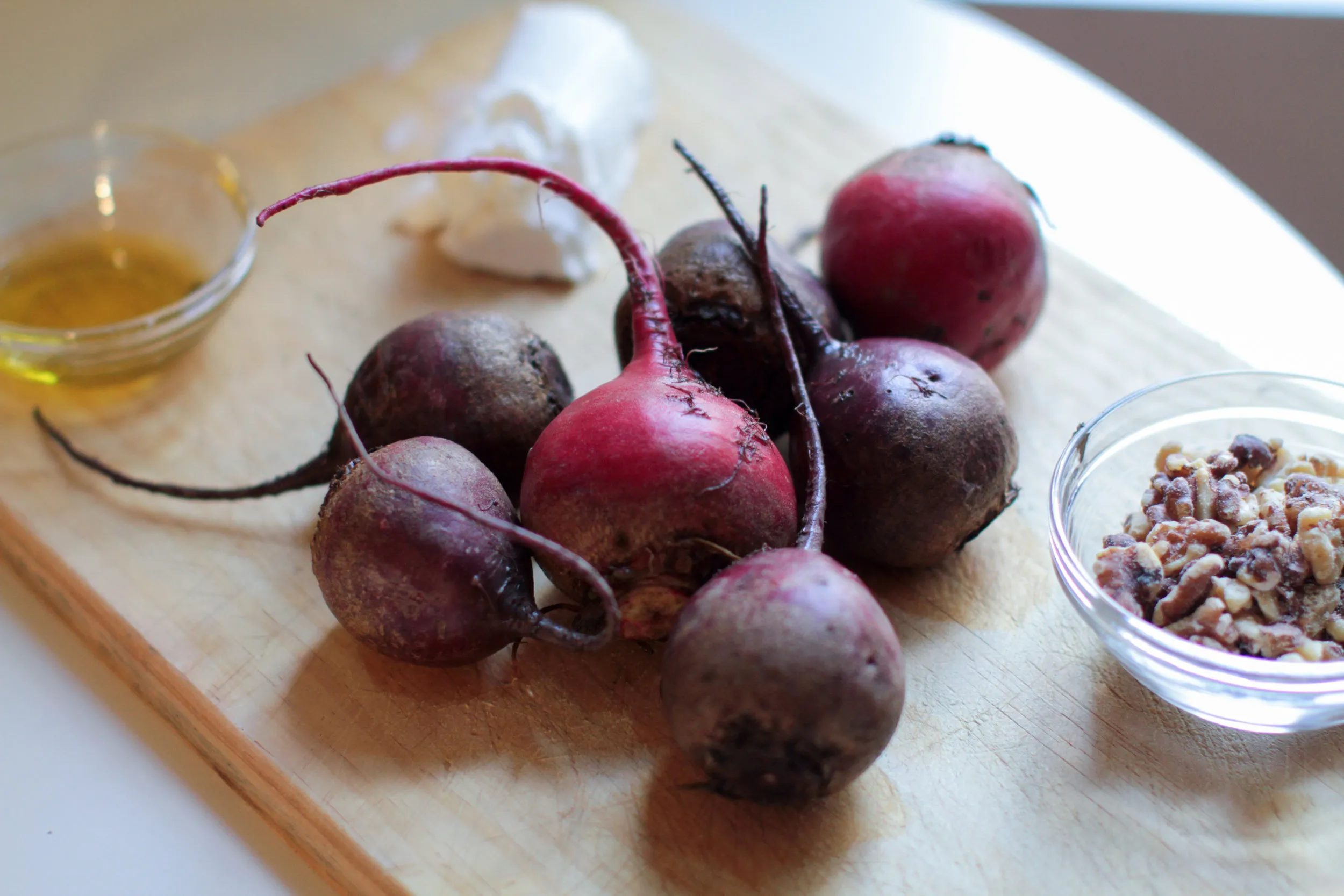
- 1 bunch of beets with or without greens—very well rinsed, especially where the greens meet the bulb
- 1 tsp vinegar
- 1 tsp & 1 tbsp of butter, ghee, or olive oil
- 1
- salt
- small handful of walnuts
- 1 tsp red wine vinegar
- salt to taste
- goat cheese or feta crumbles (optional)
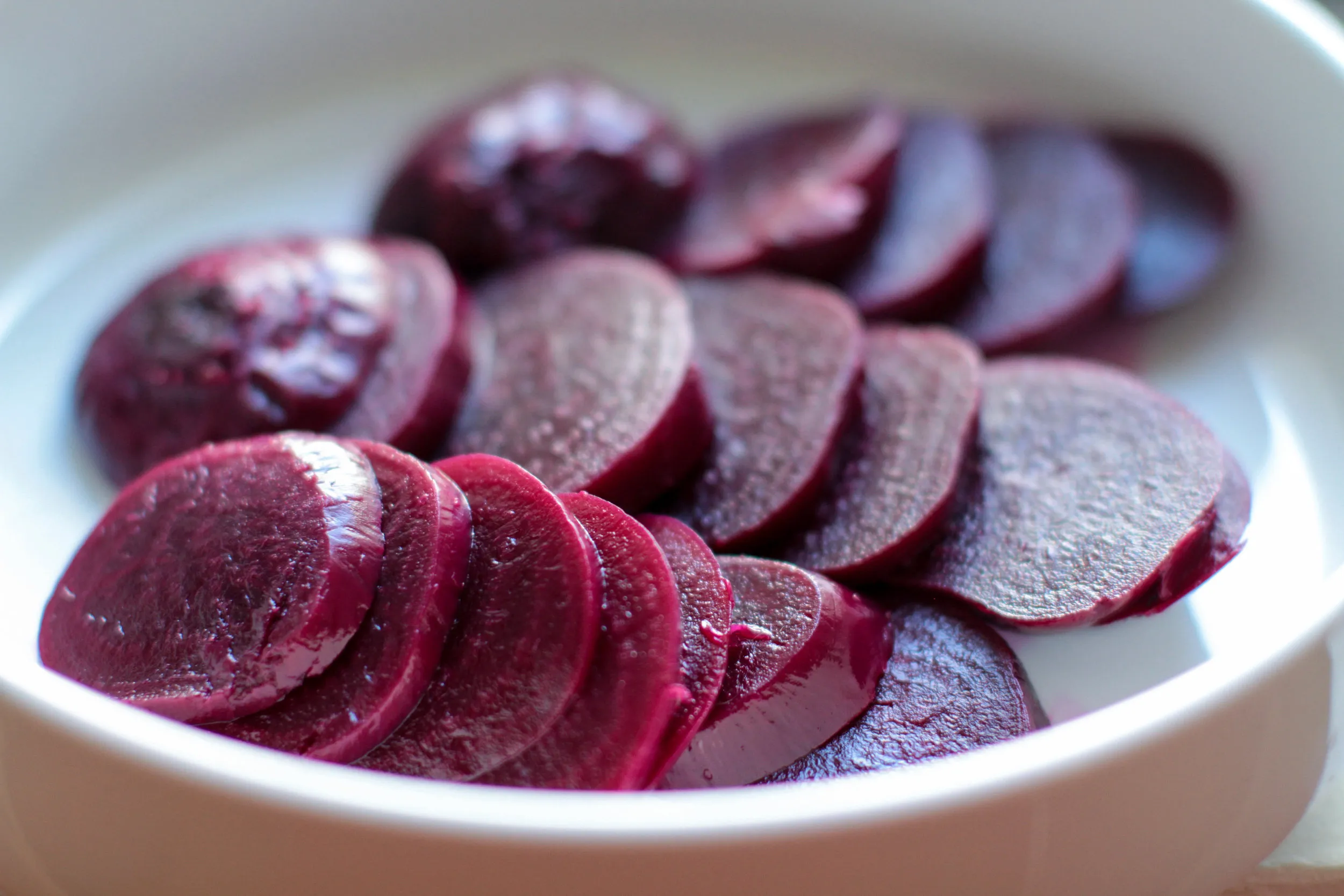
- Place beets in boiling water with a little salt, covered, with a small opening for steam to escape. Add the teaspoon of vinegar to help preserve their color. Boil until beets are easily pierced with a fork, 20-30 min.
- Meanwhile, toast walnuts with one teaspoon of the olive oil.
- Remove beets and greens from water with tongs or spoon. Save the water if you’d like to use for pasta or vegetable broths.
- Allow to cool enough to handle, then remove the peels by squeezing them off the beets. Warning: your hands will be stained pink, so you may want to wear food-safe gloves!
- Place beets and their greens on a plate, drizzle with the tbsp olive oil and a sprinkle of red wine vinegar. Add salt, crumbled goat cheese and toasted walnuts if desired.
Tips to reduce waste:
To make pasta delicious and colorful, boil it in the leftover beet water. Add just a touch of olive oil and salt. Alternatively, use it as broth for sweet soups like butternut squash or pumpkin. If you don’t cook the beets right away, be sure to separate them from the stems so they last longer. The greens are delicious boiled and eaten with olive oil and vinegar, just like the bulbs.