The appeal of the Mediterranean is manifold. Aside from the natural nostalgia spurred by having been born there or the widespread appeal it has for the traditionally “rich” ways of living among its cultures—richness defined as the contentedness derived from allocating equal time to labor, friends, neighbors, nature and eating whole foods—the Mediterranean holds sway in the imagination for a further reason. It is where religions have rubbed shoulders for centuries. A harbinger of cosmopolitanism which is today experienced at the more constrained urban scale, the Mediterranean region has historically been populated or neighbored by an expansive diversity of cultures. While subjugation and shifting sources of power created political dominance of some peoples over others, a pervasive experience was and is one that involves the proximity of difference. As such, an early exchange of information—albeit limited to a select few—formed a precondition in the questioning, self-searching and innovating necessary for people to survive and thrive. It is a place from where ideas have been disseminated into the wider world and become familiar to many; this does not make its ideas right, but it does make them the friend of many an inquisitive imagination.
The perplexing thing about the Mediterranean is that with this proximity of difference, the consequences historically have often been unpredictable. At times it was accompanied by open-mindedness and innovation; at other times and perhaps the present day, people became more insular, prejudiced and single-minded in the face of difference. The thing that captivates me, and to some extent horrifies me, is that there can be such enormous similarity across the region in people’s values, their relationship to nature, and their quite celebratory, loving and cultural use of food, yet there is often still such animosity between people and their neighbors simply for having chosen a different identity structure of religion.
In pre-Socratic times, the Ioanian islands were beacons of diversity that led to some of the most forward-thinking mathematical, scientific and philosophical discoveries long before the more hegemonic thinking of Aristotle’s time. As Carl Sagan illustrates in his book Cosmos, these boons to humanity were fueled by being near a major power but not at the center of one, and by having all manner of people with differing beliefs living in the same relative place, tolerant of one another and inspired by learning for the sake of learning. In other times, we’ve seen some of the most bitter battles play out because of politico-religious differences: where Christians, Muslims and Jews seem utterly incapable of moving beyond mutual distrust, where the preservation of power trumps the progress of humanity, and where people feel content looking only inward, sharing not much more than scorn with the idea of “other.”
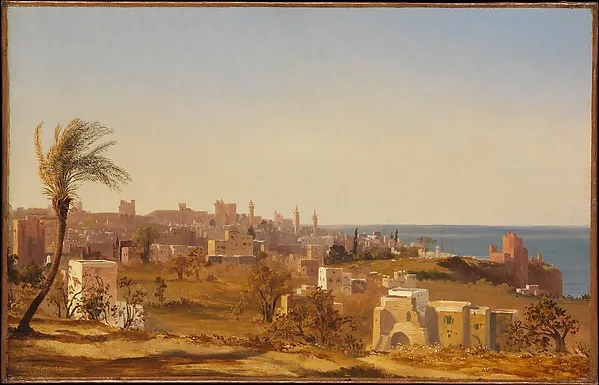
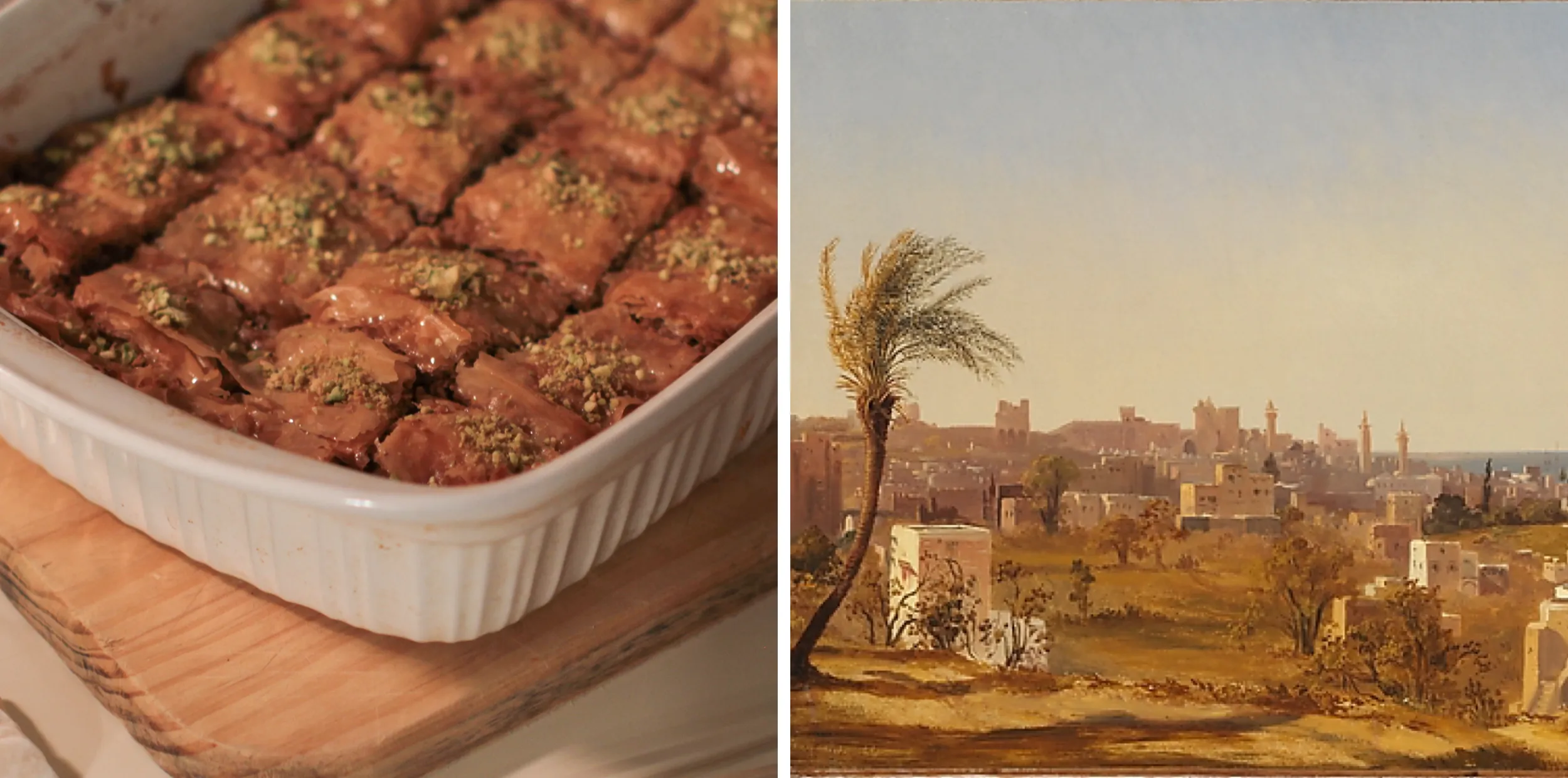
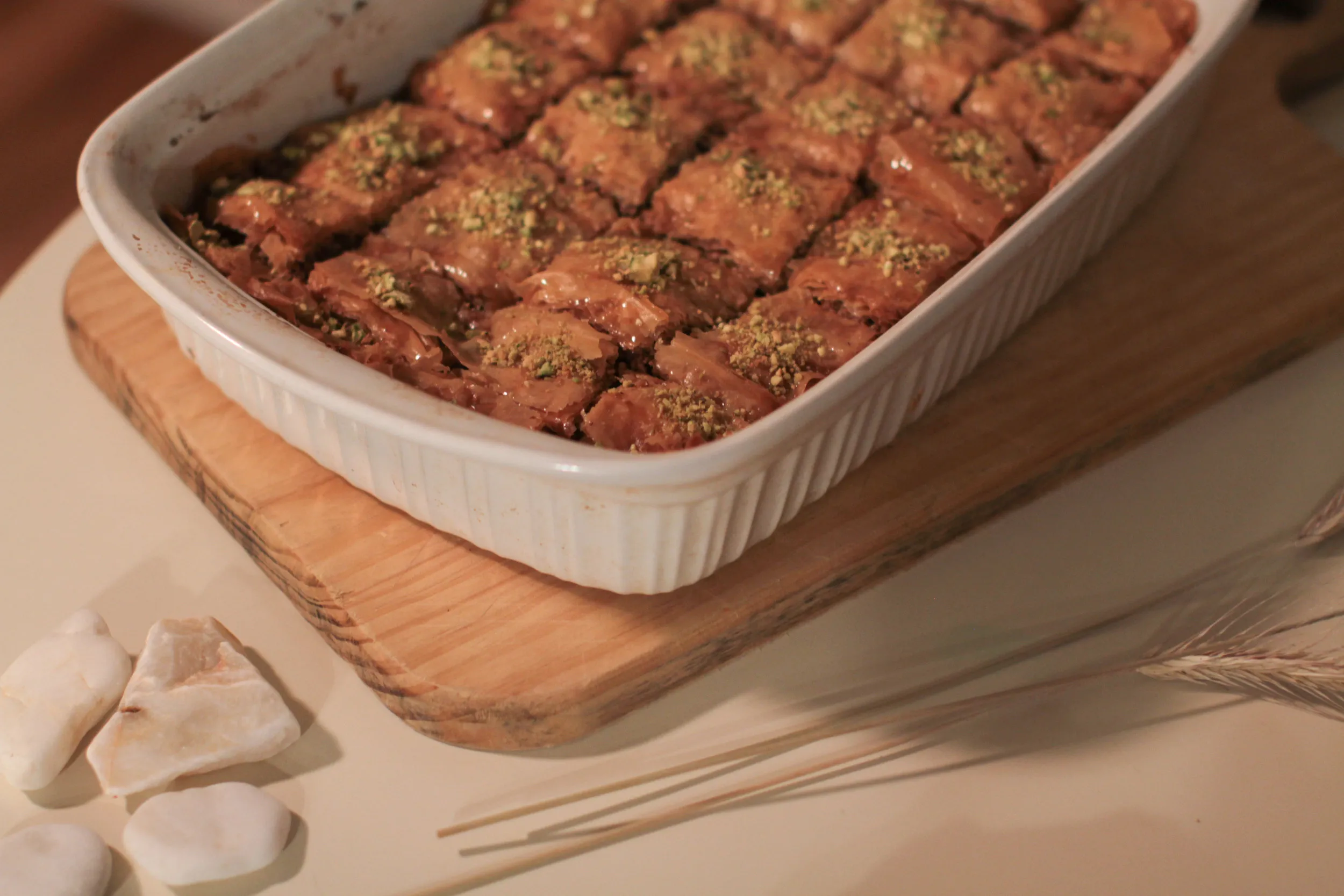
With these contradictory ideas in mind, I like to think about what unites the Mediterranean rather than divides it, and there are two things that stand out in my mind that do this beautifully. The first is the Mediterranean sun—its warm, bask-worthy, yellow-tinted glow is equally mesmerizing wherever in the Mediterranean you may find yourself. I chose this painting of Beirut by Jules Coignet for capturing that glow so well. The second is baklava: equally golden, equally mesmerizing, and claimed by many Mediterranean cultures as their own invention. Whether it’s Greek, Turkish, Lebanese, or hails from elsewhere, it really doesn’t matter when you take a bite. Enjoy this beloved family recipe and alter it as you will; experiment, iterate, celebrate difference—this is after all how humans make progress, and a beautiful way to live at that.
Ingredients
for the layers:
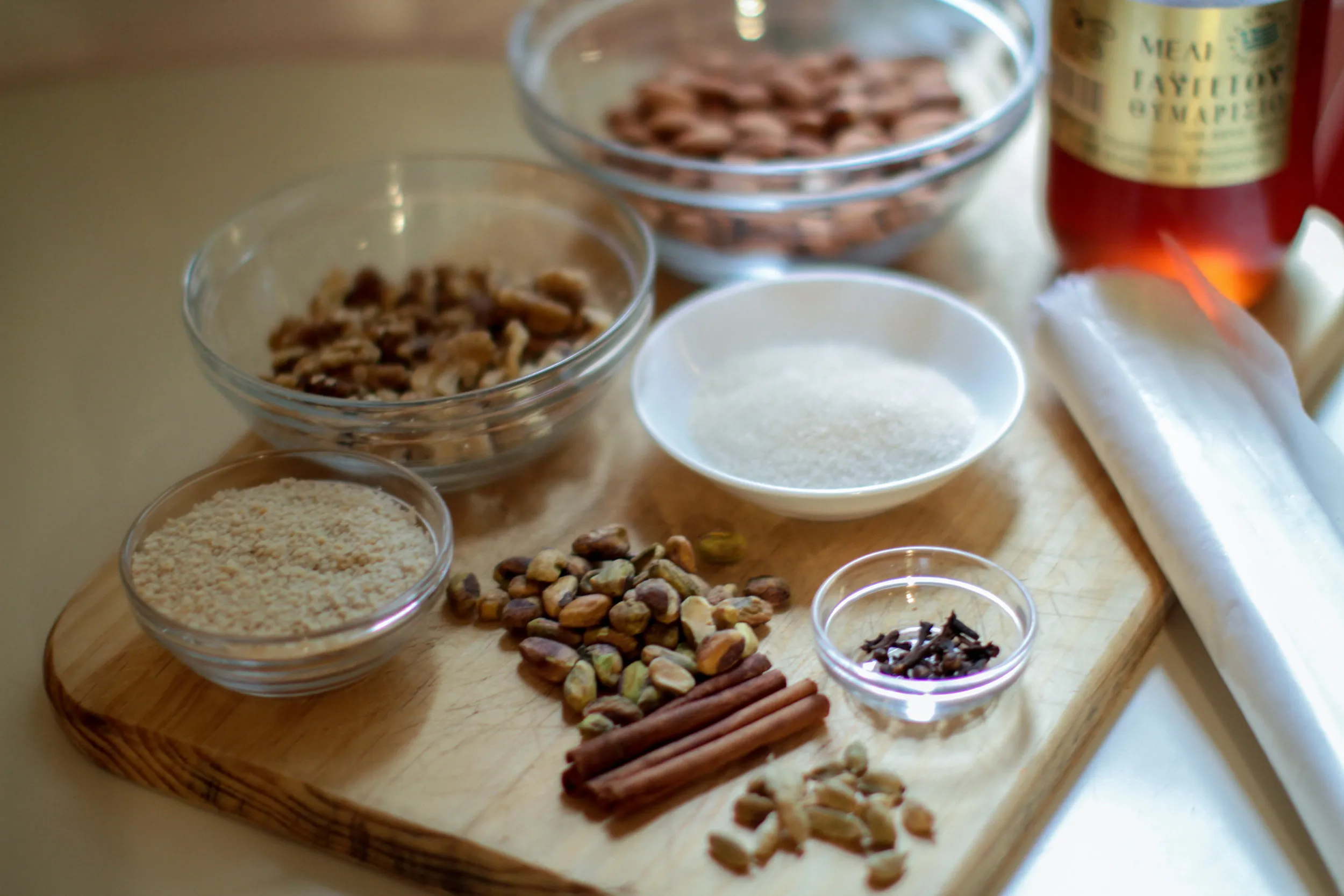
- 1 1/2 cup walnuts, crushed or processed into small pieces
- 1 1/2 cup almonds, crushed or processed into small pieces
- 1/4 cup shelled pistachios, crushed or ground
- 3 heaping tbsp bread crumbs
- 1/8 tsp ground clove
- 1 tbsp cinnamon
- 3 tbsp sugar
- 1 cup butter, melted
- 1 package phyllo, thawed
for the syrup:
- 2 cups + 1 tbsp water
- 3/4 cup sugar
- 1/2 cup honey
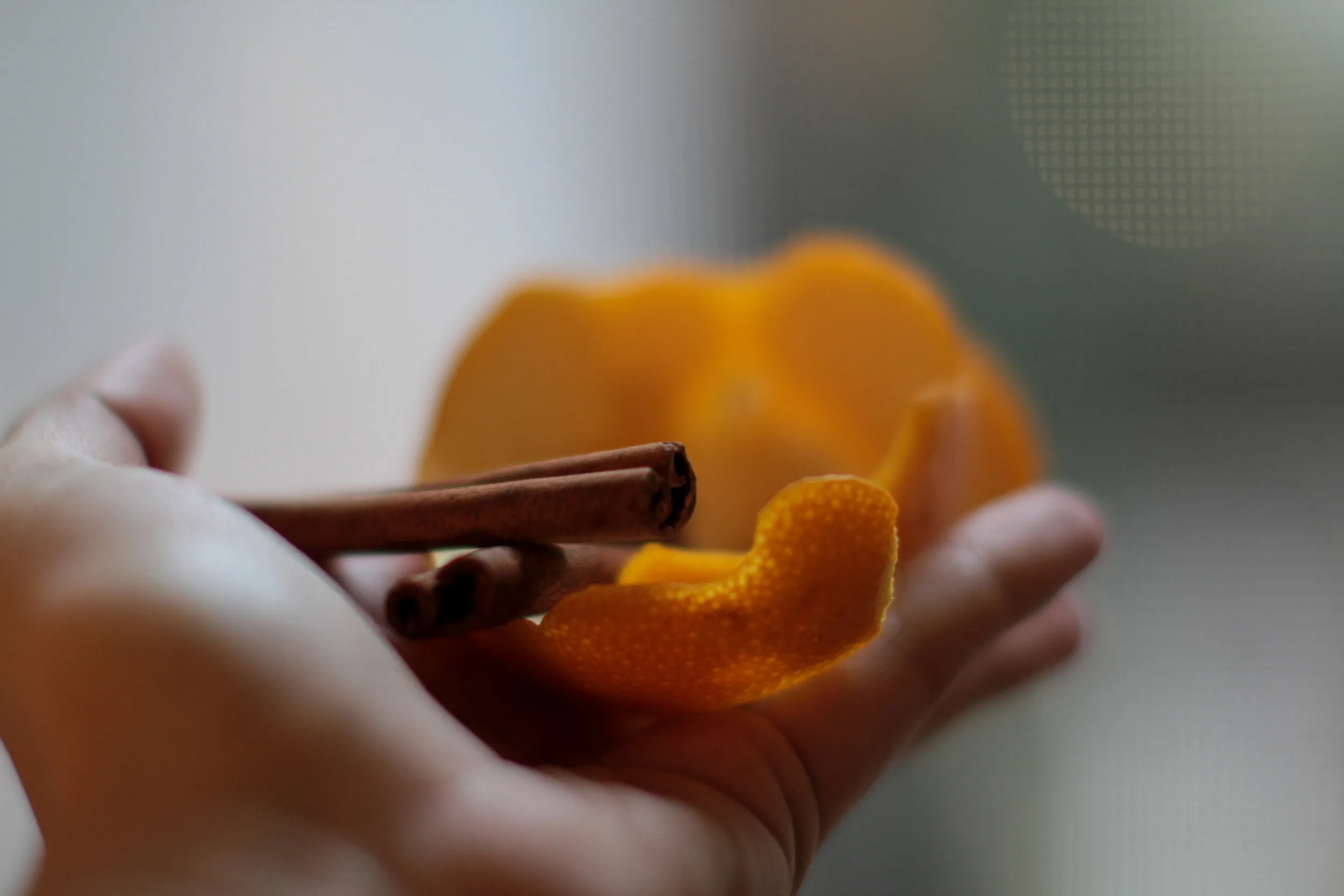
- aromatics: your choice of one or more of the following: medium piece of lemon peel, orange peel, cinnamon bark, cardamon
Process
Know that baklava takes a bit of time and prepare accordingly. Thaw your phyllo two hours before you need to start. Before opening the phyllo package, prepare a damp towel to lay on top so as to keep the sheets from drying out and breaking.
Preheat the oven to 350.
Combine walnuts, almonds, bread crumbs, ground cloves, cinnamon and sugar. Save the pistachios to use as a topping. You can make your own combination of nuts if you wish.
Use a brush to coat a 9x13 inch dish with a thin layer of butter. Layer two sheets of phyllo slightly overlapped so that the edges of the pan have some phyllo sticking up along the sides (you will fold these down later). Drizzle a little butter on top of them, and brush the edges lightly to keep them moist. Add two more sheets and drizzle with butter by dipping your brush in the melted butter and letting it drip all over the phyllo. Take a sheet of phyllo and tear it into rough smaller pieces. Place them on top of the topmost phyllo layer. Sprinkle a third of your nut mixture on top, so that it falls between the ridges of scrunched up phyllo pieces. You do not need to cover the entire surface.
Continue with two sheets of phyllo, a drizzle of butter, then another two thirds of your nut mixture, and repeat. After placing the last of the nut mixture, fold down any phyllo edges that are sticking up the sides. Lay down the remaining phyllo two sheets at a time, drizzling with butter after every two sheets and occasionally brushing the edges. Place your top sheet, drizzle it lightly, and with a very sharp knife cut the baklava into pieces, puncturing all the way to the bottom as much as possible. Use your fingers to delicately secure the layers as you cut so that it stays assembled.
Place in the preheated oven and bake for 35-45 minutes. Rotate it halfway through, and keep an eye on it. Should it reach a golden brown with crisp edges, take it out. Baklava can quickly overcook.
While the baklava is in the oven, prepare the syrup. You want it to have time to be cool when the baklava comes out; pouring cold syrup on the hot baklava helps the phyllo absorb the syrup better. (Some people do this the opposite way: cold baklava, hot syrup). Combine all syrup ingredients, bring to a boil then immediately lower heat to a slow simmer and let it cook for 7-10 minutes. Allow to cool.
Remove the baklava and pour the cooled syrup onto it; pour all over but also follow the “valleys” where the knife travelled. Allow it to cool for two hours before eating. Garnish tops of each piece with a sprinkle of pistachios if you wish, and enjoy!