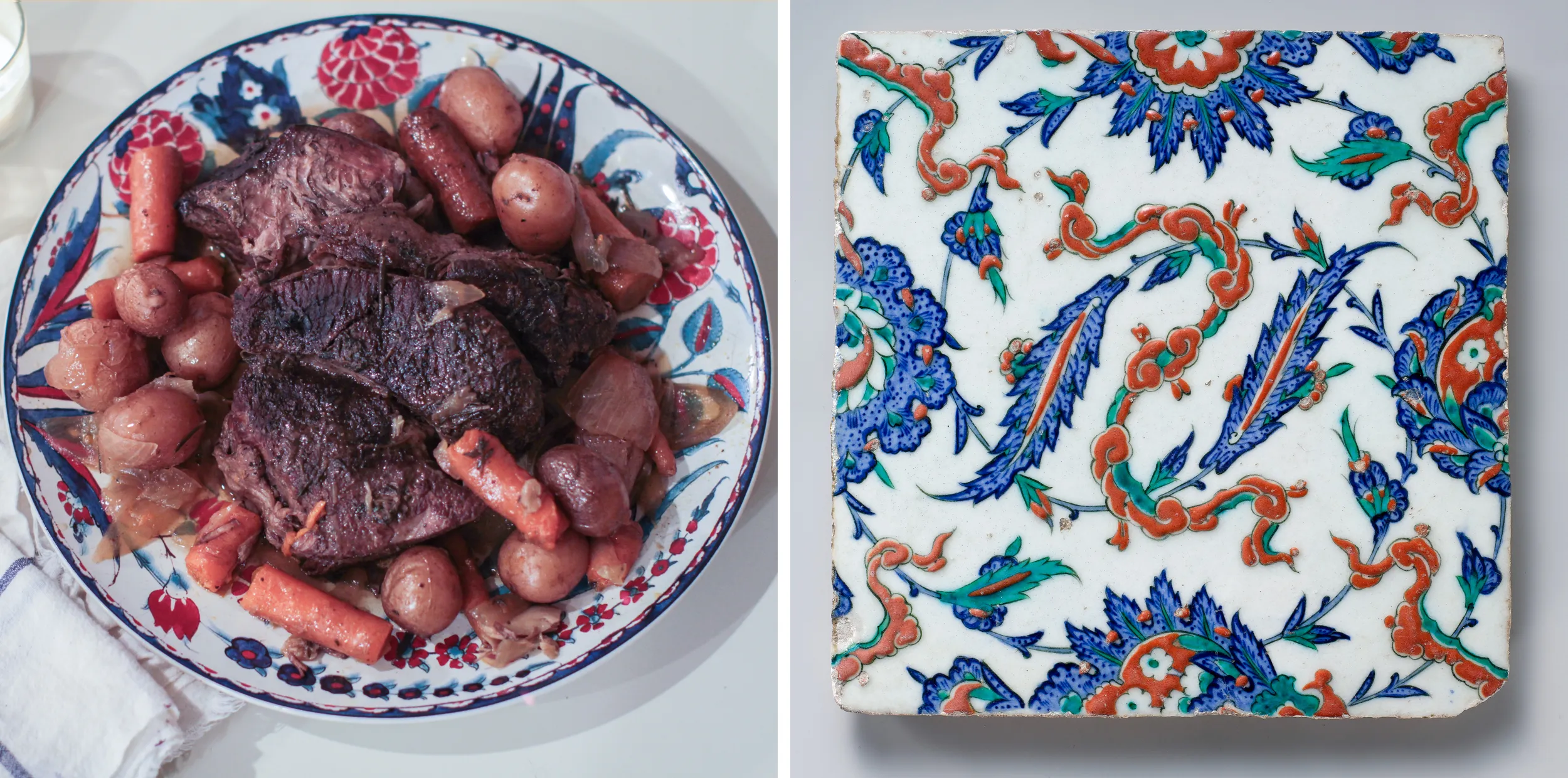
People love pot roast for many different reasons. To some, it connotes a feast. I can imagine it served at a medieval banquet, colorful flags with various coats of arms fluttering among rows of tables peopled with boisterous men and women lost in the commotion of a wedding or hunt or some such jubilant event. To others, pot roast evokes simplicity and warmth; it is made of the essentials, the heartiest of foods which bravely battle the cold winters. Very little work is actually involved in the making of a pot roast, just the slow good toil of a low fire and a willingness to let time play its part. In households where women traditionally provide the labor of cooking, the roles are often reversed when a good cut of meat is in play—there is a common male pride in the roasting or grilling of meat. Perhaps this is due to a subconscious celebration of man’s domination of nature, or a sense of relief still lingers from the days when securing nourishment for one’s clan depended on more than purchasing power: it demanded an athletic ability, a cunning resourcefulness, the availability of food and a willingness to hunt. None of these qualities were guaranteed to result in having food; to obtain something as nourishing as meat must have come with a great sense of security, celebration and warmth.
In my own childhood pot roast was a dish my father took great pride in making and the rest of us took great relish in eating. When I would return home from college or living abroad, there were two things I’d always want to eat in order to recreate the idea of home: my favorite Greek dish pastitsio, and my father’s pot roast. While I don’t include many red meat dishes on Faye Makes Food for reasons both personal and environmental, I chose to honor this one for all the beautiful connotations it carries. While I try to do so sparingly, when I eat meat I believe it should be done with a sense of honor toward the animal providing it. It should be prepared well, shared with loved ones, and treated as an event rather than a common every-day occurrence. A lovely wine-soaked pot roast meets all of these criteria. So long as you get a good, non-lean piece of meat, brown it, add wine, and give it time, you really can’t mess this up.
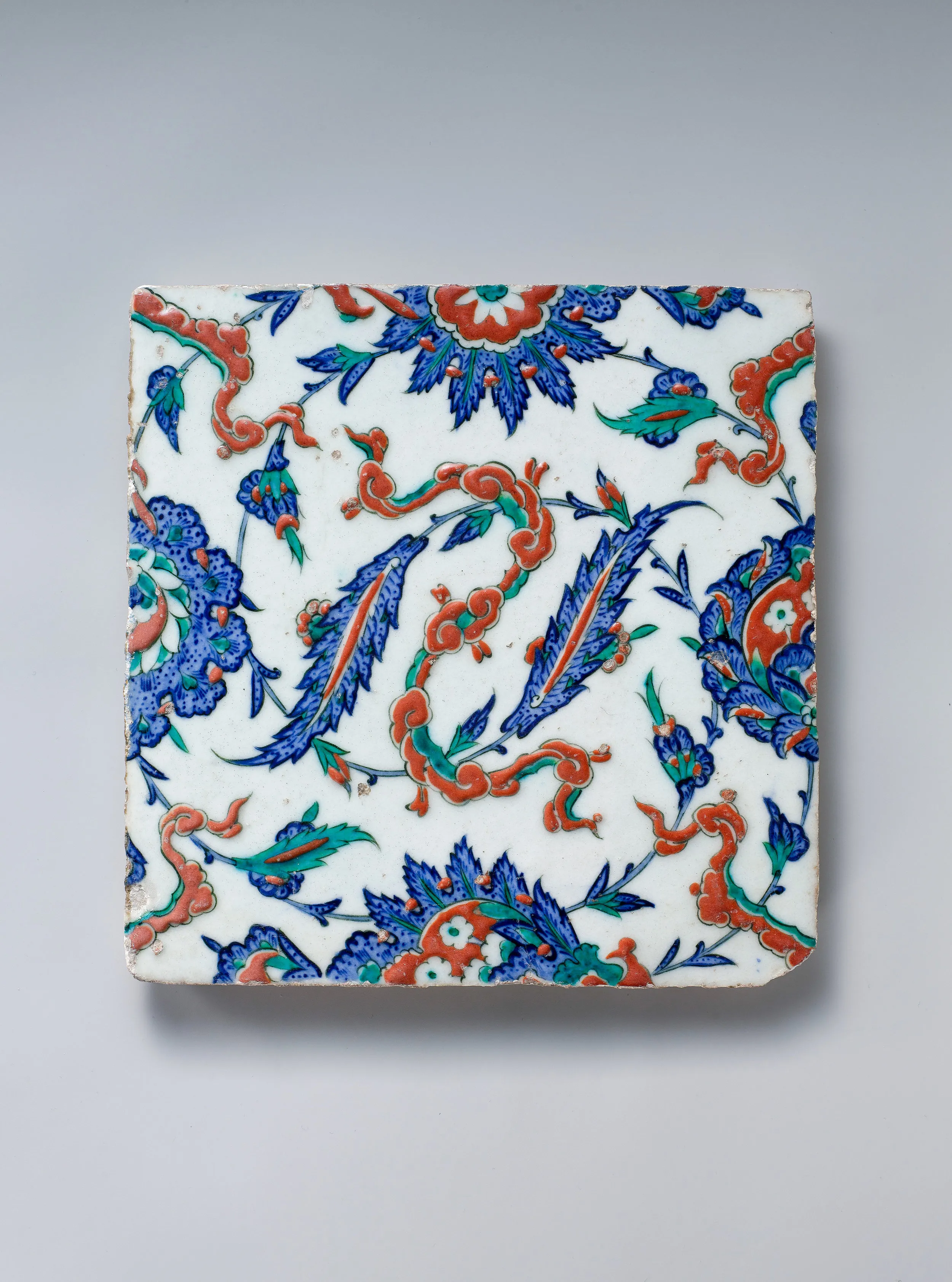
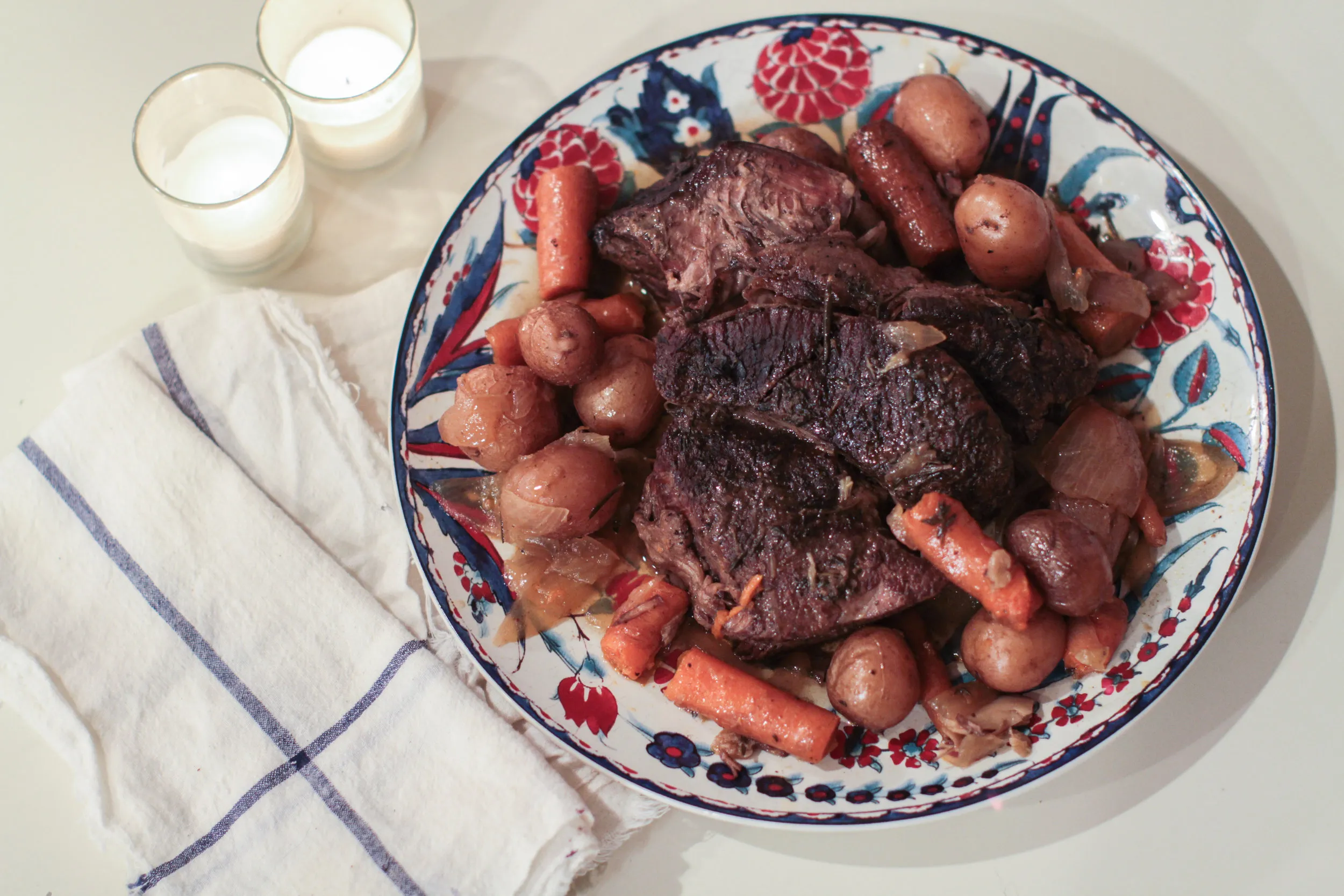
Pot roast originates from the french meal Boeuf à la Mode; the traditional, simpler American method served with potatoes and carrots is an adaptation provided by German immigrants. The pot roast above is served on a colorful dish decorated in a pattern called “Iznik,” named for the place in Turkey where the pattern originated. These were the first dishes (and only ones so far) that I ever purchased for myself as my “special” dishes that were a variance from my usual preference for white and minimal everyday wares. They were from Williams Sonoma, which still sells variations of the pattern, but the true Iznik patterned ceramics date from the 15th and 16th century. Iznik—also known as Nicanae, or the meeting place which led to the establishment of the Nicene Creed in Christianity—was the center of the production of these tiles, called “chini” when referring to the methods used in that historical period. They are ornate, vivid, often floral, and colorful. The above example from the Met’s collection is an especially well-preserved tile from circa 1578.
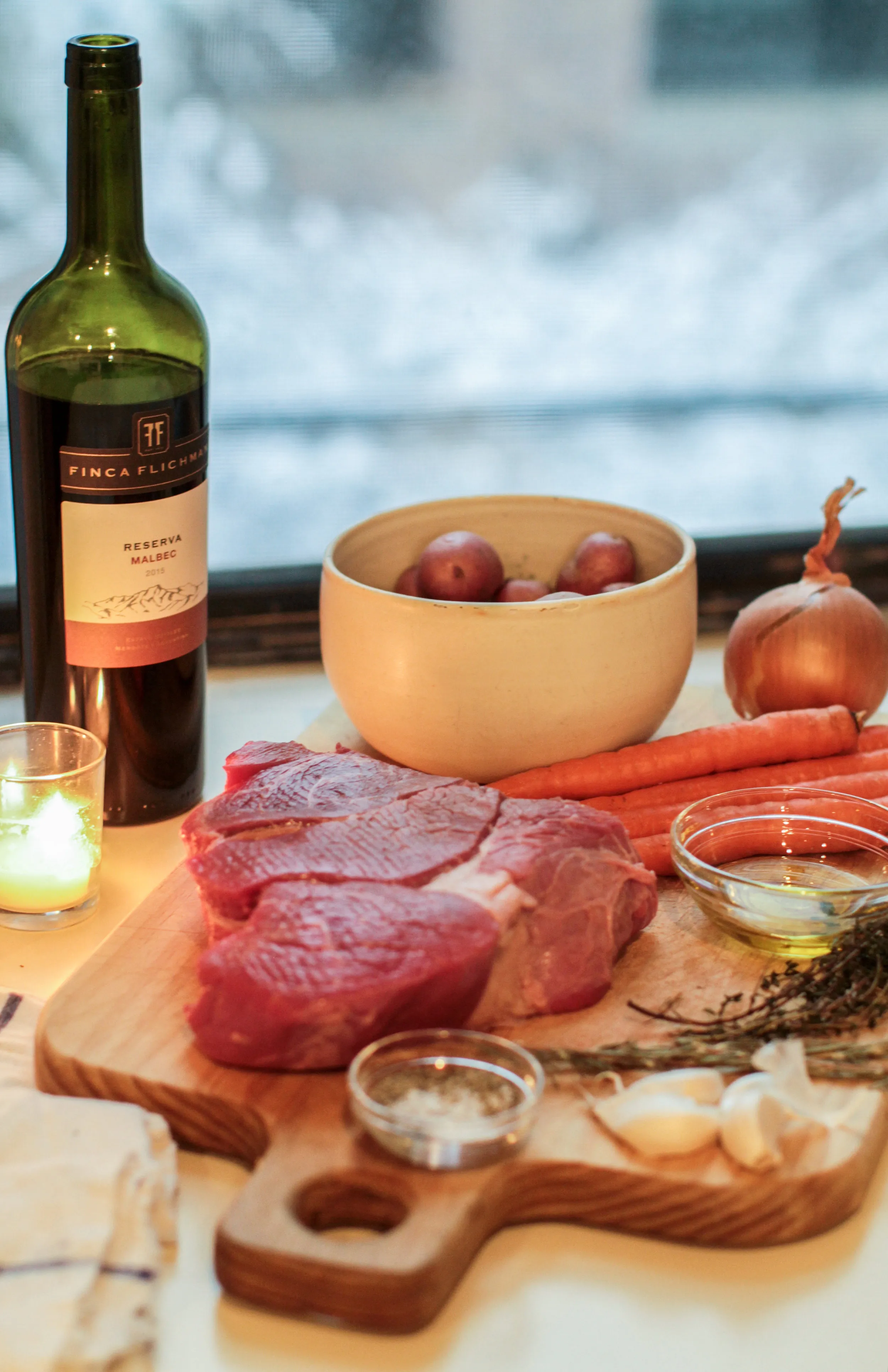
Ingredients
- 1 boneless beef chuck roast, ~ 3lb. (lean cuts like sirloin will not work as well, but you can trim the fat portions off of the chuck roast if desired)
- 3 tsp kosher salt
- 2 tsp pepper
- 2 sprigs rosemary, stems removed
- 1 cup red wine
- 2 cups of shallots, peeled (or 2 medium onions chopped into 1 inch wedge pieces)
- 4 cloves garlic
- 2 cups water or beef broth (have more on hand in case you cook it longer and slower)
- 1 tbsp tomato paste
- 2 cups baby red potatoes, or large potatoes cut into 1.5” pieces
- 6 medium carrots cut into 2” pieces
- 1 small bunch (4-5 sprigs) of thyme, tied with string or placed in tea diffuser
- 1-2 bay leaves
Rub the meat generously with salt, pepper, and rosemary. You can do this a day in advance and wrap in plastic wrap. Bring meat to room temperature before cooking.
Heat 2 tbsp of olive oil in the pot (or slow cooker with browning capability) on medium high heat. Place the meat gently into the pot, it should sizzle. Do not move it. Allow meat to brown for 2 minutes on each side or until browned. I like to turn it so that the shorter edges get browned as well. Always use tongs to avoid piercing the meat. If you have room, add some onions around the meat to brown as well. If not, wait until meat is done browning, then remove it from the pan while you brown your onions.
When you turn the meat to the final side, add 1/2 cup of the red wine during browning. Return it to the original side so that it may absorb some of the wine as well. Add garlic to sauté it during the last minute only.
In a small bowl, stir the remaining 1/2 cup of wine with your tomato paste to thin it before adding to pot.
Scrape the brown bits with a spatula to loosen them from the bottom of the pot. If you removed the roast in order to brown the onions, return it to the pot now. Reduce heat to low and add water or beef broth, tomato paste, carrots, celery, potatoes, thyme, bay leaf and additional salt and pepper. Cook on low for at least 2 hours, ideally 4, keeping an eye to make sure there is always some liquid in the pot. If cooking in slow cooker, I recommend the high/low setting: high for 4 hours and low for an additional 4 hours.
Add any additional salt and pepper if needed, serve with vegetables and sauce spooned on top, and enjoy! This is best enjoyed with a hearty, dry, full red wine.